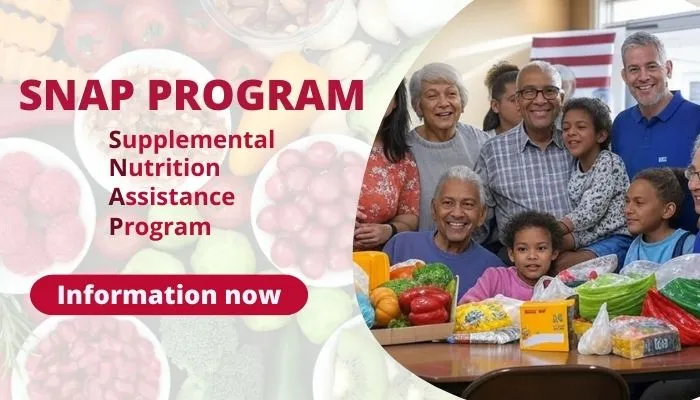
The Supplemental Nutrition Assistance Program (SNAP) stands as the largest federal initiative dedicated to combating food insecurity in the United States. This essential program provides millions of low-income individuals and families with access to nutritious meals, ensuring better health and reduced hunger. If you’re struggling to afford groceries, SNAP can offer the support needed to achieve a healthier, more stable lifestyle.
You might also find this helpful: TANF Cash Assistance
Understanding SNAP: A Lifeline for Families
SNAP provides eligible households with monthly benefits distributed via an Electronic Benefits Transfer (EBT) card. This card functions similarly to a debit card and can be used to purchase approved food items at participating grocery stores, supermarkets, and farmers’ markets nationwide. By addressing food insecurity, SNAP not only ensures access to healthy meals but also empowers families to lead healthier lives and achieve greater well-being.
Eligibility Requirements for SNAP
To receive SNAP benefits, applicants must meet specific eligibility criteria. These requirements may vary slightly by state, but the general guidelines include:
- Income Limits: Household income must fall at or below 130% of the federal poverty level for your household size.
- Resource Limits: Assets such as savings, vehicles, or other property must remain below state-defined thresholds. However, your primary residence is usually excluded.
- Citizenship or Residency: Applicants must be U.S. citizens or meet specific non-citizen eligibility requirements, such as lawful permanent residency.
- Work Requirements: Able-bodied adults without dependents (ABAWDs) are generally required to meet work or training requirements unless exempted.
How to Apply for SNAP Benefits
Applying for SNAP is a straightforward process that involves a few key steps. Here’s how you can get started:
- Contact Your Local SNAP Office: Use the state directory available on the USDA website to locate the nearest SNAP office in your area.
- Complete an Application: Submit your application online, by mail, or in person, depending on your state’s available methods.
- Provide Necessary Documentation: Gather documents such as proof of identity, household income, family composition, and living expenses.
- Participate in an Interview: Attend a phone or in-person interview to verify the information provided and complete the application process.
The Benefits of SNAP: More Than Financial Support
SNAP offers more than just monetary aid—it serves as a catalyst for healthier lives and stronger communities. Here are some key advantages:
- Access to Nutritious Foods: Use benefits to purchase fresh fruits, vegetables, grains, dairy, and proteins, ensuring a well-balanced diet.
- Improved Health Outcomes: Better nutrition helps reduce the risk of chronic illnesses and enhances physical and mental well-being.
- Support for Local Economies: Spending SNAP benefits at local stores and farmers’ markets boosts the economy in your community.
Using Your EBT Card
Once approved, your EBT card will be loaded with monthly benefits that can be used at authorized retailers. Approved food items include:
- Fresh fruits and vegetables
- Meat, poultry, and seafood
- Dairy products like milk, cheese, and yogurt
- Breads, cereals, and grains
- Seeds and plants for growing food
It’s important to note that SNAP benefits cannot be used for items like alcohol, tobacco, vitamins, supplements, or prepared meals (except in specific authorized locations).
Additional Programs for SNAP Participants
SNAP participants may also qualify for other valuable programs aimed at improving overall well-being. These include:
- Women, Infants, and Children (WIC): Provides supplemental foods, nutrition education, and healthcare referrals for pregnant women and young children.
- School Meal Programs: Offers free or reduced-price meals for children attending participating schools.
- Food Distribution Programs: Supplies surplus and emergency food assistance to households facing significant financial challenges.
Answers to Frequently Asked Questions
Can college students apply for SNAP? Yes, college students may qualify if they meet specific requirements, such as working 20 or more hours per week or participating in certain work-study programs.
How long will I receive SNAP benefits? Certification periods typically range from 6 to 12 months, depending on your state. You will need to recertify to continue receiving benefits.
What happens if my application is denied? If denied, you have the right to appeal the decision. Contact your local SNAP office to learn about the appeal process and timelines in your state.
Building a Stronger Future with SNAP
SNAP is a vital resource for millions of individuals and families, offering the support needed to overcome food insecurity and lead healthier lives. By providing consistent access to nutritious food, SNAP not only helps people in the short term but also contributes to stronger, healthier communities in the long run.
If you’re eligible for SNAP, take the first step today by contacting your local office. Applying is simple, and the benefits can make a world of difference for your family’s health and stability.

Learn more about SNAP benefits on the official website: