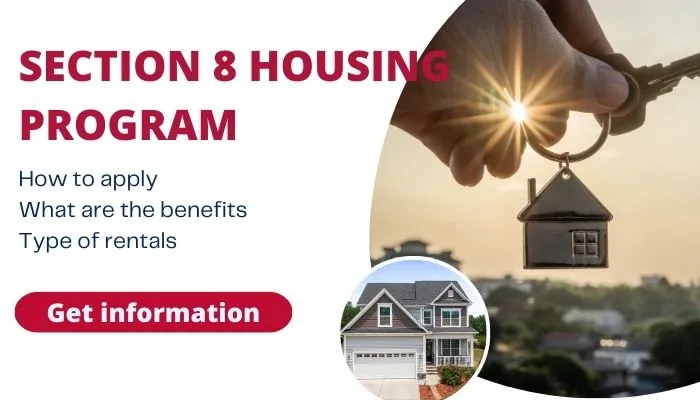
Finding affordable housing is a significant challenge for many individuals and families with low incomes. The Section 8 Housing Assistance Program, officially known as the Housing Choice Voucher Program, provides a solution by offering rental assistance to eligible participants. This guide will explain how Section 8 works, who qualifies, and how you can apply to take steps toward securing affordable housing.
What Is Section 8 Housing Assistance?
Section 8, managed by the U.S. Department of Housing and Urban Development (HUD), provides rental subsidies to low-income households. Participants receive vouchers that cover a portion of their rent, enabling them to choose housing in the private market instead of being limited to government-owned properties.
How Does the Housing Choice Voucher Program Work?
The program partners with local Public Housing Agencies (PHAs) that manage applications and distribute vouchers in their communities. Here’s how it operates:
- Eligibility Determination: Applicants submit their information to the PHA, which evaluates their eligibility based on income, family size, and other factors.
- Voucher Issuance: Qualified participants receive a voucher specifying the amount of rental assistance.
- Housing Selection: Participants find housing that meets program requirements, including safety and health standards.
- Lease Agreement: Once housing is secured, the tenant and landlord sign a lease, and the PHA signs a contract with the landlord to provide payments.
- Ongoing Compliance: Both participants and landlords must follow program rules, with periodic reviews and inspections conducted by the PHA.
Eligibility Requirements
To qualify for Section 8, you must meet specific criteria:
- Income Limits: Household income must not exceed 50% of the median income for your area, adjusted for family size. PHAs prioritize applicants with incomes below 30% of the median.
- Citizenship Status: Applicants must be U.S. citizens or have eligible immigration status.
- Criminal Background: Certain criminal activities or prior evictions for drug-related offenses may disqualify applicants.
- Family Status: Eligibility considers family size and composition, including single individuals, families, seniors, and individuals with disabilities.
- Residency Preferences: Some PHAs prioritize local residents, veterans, or homeless individuals.
How to Apply for Section 8 Housing Assistance
Applying involves several steps:
- Find Your Local PHA: Use the HUD PHA Contact Information page to locate your nearest Public Housing Agency.
- Check for Open Waitlists: Many PHAs have waitlists due to high demand. Confirm waitlist availability and application periods.
- Submit an Application: Complete the application provided by the PHA, including required documents like proof of income and identification.
- Provide Documentation: Submit all necessary documents to avoid delays or disqualification.
- Wait for Notification: After applying, you’ll be placed on a waitlist. Wait times vary based on demand and location.
- Attend an Interview: When your name reaches the top of the list, the PHA will contact you for further verification and an eligibility interview.
Tips for a Successful Application
To increase your chances of receiving assistance:
- Apply to Multiple PHAs: Submitting applications to multiple agencies can improve your opportunities.
- Stay Updated: Regularly check PHA websites for waitlist openings and deadlines.
- Keep Your Information Current: Notify the PHA of changes in contact details, income, or household composition.
- Organize Your Documents: Prepare essential paperwork in advance, such as Social Security cards and income statements.
- Highlight Preferences: Indicate if you qualify for any local preferences, such as being a veteran or homeless.
Responsibilities of Participants
After receiving a voucher, participants are responsible for:
- Finding Suitable Housing: Selecting a rental that meets HUD standards and fits within voucher payment limits.
- Following Lease Terms: Abiding by the lease and maintaining good standing with the landlord.
- Reporting Changes: Promptly informing the PHA of changes in income or family size.
- Annual Recertification: Completing yearly reviews to ensure continued eligibility.
Landlord Participation
Landlords play a critical role in the program’s success:
- Accepting Vouchers: Landlords must agree to rent to voucher holders and comply with HUD guidelines.
- Meeting Standards: Properties must pass HUD’s Housing Quality Standards (HQS) inspections.
- Signing Agreements: Landlords enter into a lease with the tenant and a Housing Assistance Payments (HAP) contract with the PHA.
- Receiving Payments: The PHA pays a portion of the rent directly to the landlord, with the tenant covering the rest.
Frequently Asked Questions
How long is the wait for a Section 8 voucher? Wait times vary by location and demand, ranging from a few months to several years.
Can I move with my voucher? Yes, vouchers are portable and can be used in other areas, subject to program rules.
What if my income changes? Report income changes to the PHA promptly, as your assistance amount may be adjusted.
Exploring Your Options
Affordable housing is essential for a stable and secure life. The Section 8 Housing Assistance Program provides valuable support to those who qualify, helping reduce housing costs and improve living conditions. Understanding the program’s requirements and application process is the first step toward accessing this assistance. Reach out to your local PHA to begin your journey toward affordable housing today.

Find more information about this program on the official site