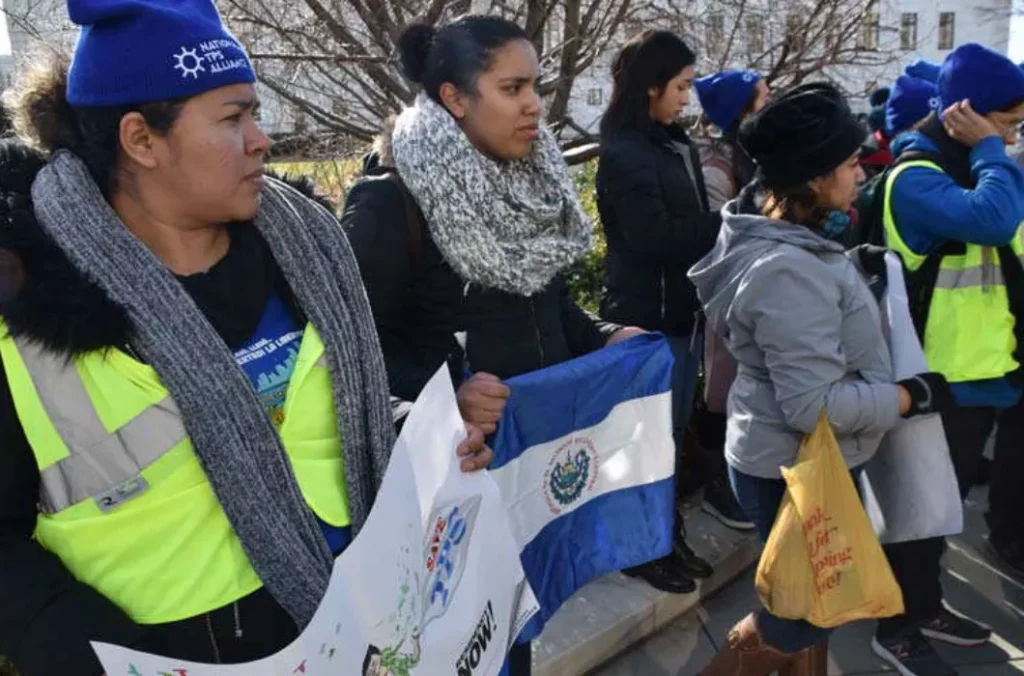
Many individuals from crisis-hit countries face uncertain futures. Temporary Protected Status (TPS) offers a lifeline. TPS gives eligible nationals a chance to live and work in the United States safely. It provides temporary relief when it is unsafe to return home. 😊
🔍 What Is Temporary Protected Status (TPS)?
TPS is a humanitarian program run by U.S. Citizenship and Immigration Services (USCIS). It protects nationals from countries experiencing armed conflict, natural disasters, or other extraordinary conditions. In simple terms, TPS allows eligible individuals to stay in the United States for a limited period. During this time, they receive work authorization and protection from deportation.
Moreover, TPS is not a permanent immigration status. Instead, it offers temporary relief until conditions in the home country improve. Importantly, TPS recipients can live, work, and study while they are protected.
In summary, TPS is designed to provide a safe haven during crises. It offers practical benefits when individuals need time to rebuild their lives.
🌟 Benefits of TPS
TPS brings several key advantages. First, it protects you from removal from the United States. Second, it grants legal work authorization. In addition, it allows you to access essential services while you remain in a safe environment.
- Protection from Deportation: TPS recipients are not subject to removal while the status is in effect.
- Work Authorization: With an Employment Authorization Document (EAD), you can work legally. This income helps you support your family.
- Access to Education: TPS allows you to enroll in educational programs, improve your skills, and pursue better job opportunities.
- Healthcare Access: You gain eligibility for some public benefits and health services that improve your overall well-being.
- Temporary Stability: TPS offers a stable period during which you can plan for the future and seek long-term solutions.
Each benefit works together to provide you with protection and an opportunity to rebuild your life during difficult times.
👥 Who Qualifies for TPS?
Eligibility for TPS depends on several factors. Primarily, your home country must be experiencing conditions that warrant protection. Additionally, you must have been continuously present in the United States for a specified period.
- Country Designation: The U.S. government designates certain countries for TPS. This designation applies when a country faces ongoing armed conflict, natural disasters, or extraordinary conditions.
- Continuous Residence: You must have lived in the United States continuously for a period defined by USCIS. This period varies by country.
- Physical Presence: In addition to continuous residence, you must also demonstrate that you have been physically present in the United States for the required period.
- No Serious Criminal Record: A significant criminal record can disqualify you. The program is intended for those in genuine need of protection.
- Other Requirements: Additional documentation such as proof of identity, immigration status, and evidence of the conditions in your home country may be required.
It is essential to check the latest guidelines on the USCIS website or consult an immigration expert to confirm your eligibility.
📝 How to Apply for TPS
The application process for TPS is designed to be clear and accessible. Follow these steps to apply:
- Review the TPS Designation: Start by visiting the USCIS website to see if your home country is designated for TPS. This designation changes periodically, so verify the current list.
- Gather Documentation: Collect all necessary documents. This includes your passport, visa, and proof of continuous residence (such as school records, pay stubs, or utility bills). Organized documents are critical for a smooth application.
- Complete Form I-821: Fill out the Application for Temporary Protected Status (Form I-821). Use clear, concise language when answering questions.
- Complete Form I-765: If you need work authorization, also fill out the Application for Employment Authorization (Form I-765). This step enables you to receive an Employment Authorization Document (EAD).
- Submit Your Application: Mail your completed forms along with the required documentation and fees to the designated USCIS address. In some cases, you may be eligible for a fee waiver.
- Attend a Biometrics Appointment: If requested, attend a scheduled biometrics appointment to provide fingerprints and a photograph.
- Monitor Your Case: Check your case status online regularly. Promptly respond to any additional requests from USCIS.
Following these steps carefully increases your chances of a successful TPS application.
💡 Practical Tips for a Successful TPS Application
Here are some useful strategies to help you through the process:
- Stay Organized: Keep all your documents in a dedicated folder. Organized records help you quickly provide any additional information.
- Be Concise and Accurate: When filling out forms, use short, clear sentences. Accuracy prevents delays and misunderstandings.
- Consult an Immigration Expert: If you have questions or face complexities, seek advice from an immigration attorney or accredited representative.
- Monitor Updates: TPS designations can change. Regularly check the USCIS website for the latest information on your home country’s status.
- Follow Up Promptly: After submitting your application, maintain regular contact with USCIS. Prompt follow-up ensures your case moves forward without unnecessary delays.
- Prepare for an Interview: If an interview is required, review your application and documents ahead of time. Practice answering questions clearly and confidently.
❓ Frequently Asked Questions
Below are answers to common questions about TPS:
- Is TPS a pathway to permanent residency? No, TPS is temporary and does not directly lead to permanent residency or citizenship.
- How long is TPS granted? TPS is granted for a limited period, which varies by country. The status can be extended if conditions in the home country remain unsafe.
- Can TPS recipients work? Yes, TPS recipients can apply for an Employment Authorization Document (EAD) that allows them to work legally in the U.S.
- What happens when TPS expires? If conditions improve in your home country, TPS may end. At that point, you must either depart the U.S. or secure another form of legal status.
- Are there fees to apply for TPS? There are filing fees for Form I-821 and Form I-765, but fee waivers may be available for those with financial hardship.
🌍 The Broader Impact of TPS on Communities
TPS not only supports individual applicants but also strengthens communities. When eligible nationals remain in the U.S., they contribute to the local economy and share their skills. This stability benefits families, local businesses, and community organizations. In addition, TPS provides a safe environment where individuals can pursue education and employment opportunities.
By offering temporary protection, TPS helps maintain social cohesion. It gives people time to adjust and plan for a more secure future. Communities benefit when residents can work, study, and contribute without the constant fear of deportation.
🔮 Looking Ahead: Securing a More Stable Future
Temporary Protected Status provides essential relief during times of crisis. While TPS is not a permanent solution, it offers stability and opportunities for eligible nationals. With TPS, you gain legal status, work authorization, and access to critical services. These benefits allow you to focus on rebuilding your life.
Plan carefully and follow the application process with diligence. Stay organized, use clear language, and seek expert advice when needed. By doing so, you can secure TPS and work towards a more stable future. Every step you take now is a step toward rebuilding your life and contributing to a resilient community. 🚀

Go to The Official Website